


Send Message
Privacy statement: Your privacy is very important to Us. Our company promises not to disclose your personal information to any external company with out your explicit permission.
Select Language


Introduction to Complications Related to Intermittent Catheterization and Their Management Methods
The incidence of urinary tract infections and the common bacterial flora vary depending on the bladder management method. Clean intermittent catheterization is recognized as the most safe and effective bladder management method. A large number of clinical studies have shown that hydrophilic-coated intermittent catheters can reduce the damage to the urethral mucosa during insertion and are beneficial in reducing the occurrence of urinary tract infections. 1.Urinary tract infection Urinary...
The Origin and Evolution of the Clean Intermittent Catheterization Technique
The intermittent catheterization technique for cleaning the bladder has been recognized by the International Continence Society as the preferred method for emptying the bladder and an important treatment for neurogenic bladder. In 1844, the German scholar Strommeyer first proposed the concept of intermittent catheterization (IC), which is a treatment method that involves timed bladder irrigation and the removal of urine from patients with urinary tract infections from their bodies; in 1901,...
Complications of intermittent catheterization and preventive measures
I. Complications A 45-year follow-up study by Elmelund found that renal failure after spinal cord injury can occur at any time after the injury. In comparison, intermittent catheterization brings the lowest long-term complications. Patients who have long-term self-intermittent catheterization (SIC) may experience pain and complications related to the urethra, scrotum, and bladder. Urethral complications include catheter-related urinary tract infections, urethral stricture, and urethral orifice...
Special precautions to be taken during intermittent catheterization process
Intermittent catheterization refers to a technique where the urinary catheter is not left in the bladder but is inserted only when necessary, to empty the bladder, and then removed after the process is completed. This method allows the bladder to expand intermittently, which is beneficial for maintaining bladder capacity and restoring the bladder's contraction function. The International Urinary Control Association recommends intermittent catheterization as the preferred method for treating...
Common Problems and Nursing Measures During Urination Procedure
For people with neurogenic bladder, intermittent catheterization is an economical and effective method. The common problems during the catheterization procedure and the corresponding nursing points are as follows 1. Common Questions 1.1 Pain or discomfort during catheterization: Due to differences in physiological structure, the thickness of the urethra also varies. Using a catheter that is too thick can cause mechanical damage to the urethra and easily damage the urethral mucosa. 1.2...
Introduction to urethral stenosis
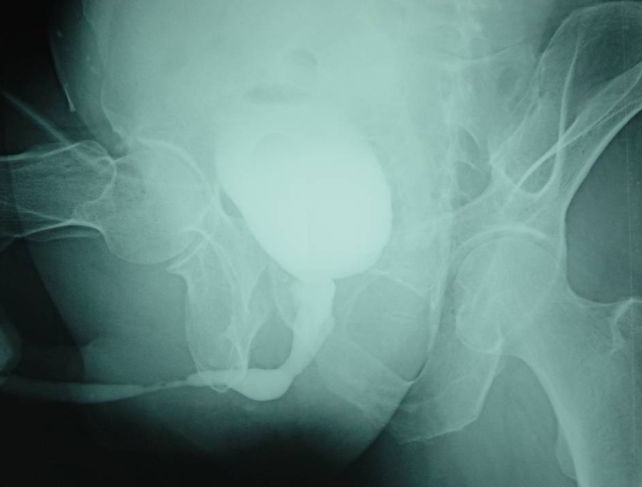
Due to various causes, when repairing the urethral injury, scar tissue forms and contracts, causing the urethral cavity to narrow and even completely close; the internal epithelium becomes thinner, and some of it undergoes metaplasia into stratified squamous epithelium; the lamina propria becomes discontinuous, and the vascular sinus structure of the corpus cavernosum is replaced by a large amount of fibrous connective tissue, and the connective tissue has no obvious boundary with the corpus...
Selection of intermittent catheterization duration and frequency
The guidelines for neurogenic bladder care recommend that intermittent catheterization (IC) should be initiated in the early stage of neurogenic bladder (typically from the 8th to the 35th day after the onset of the disease), provided that the patient's condition is stable, no large-volume fluid infusion is required, the patient drinks regularly, and there is no urinary tract infection. The choice of intermittent catheterization interval and frequency can be based on the patient's own...
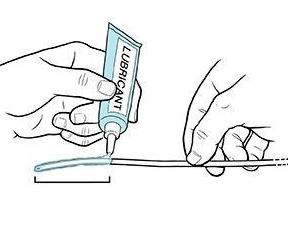
Under normal circumstances, intermittent catheterization does not cause pain. Patients who undergo the initial catheterization may experience a little discomfort, but this usually improves after getting accustomed to the procedure. By analyzing the causes of catheterization pain, corresponding measures can be taken to reduce the occurrence of pain during catheterization. II. Measures to solve catheterization pain 1. Relax the Emotions Patients should try to relax during the insertion of the...
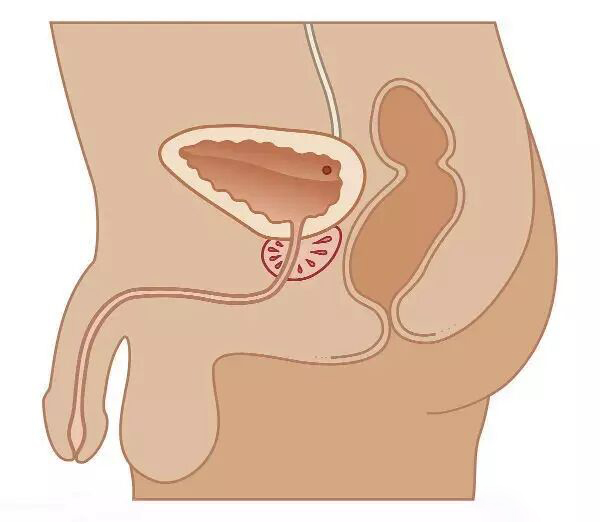
Under normal circumstances, intermittent catheterization does not cause pain. Patients who undergo the initial catheterization may experience a little discomfort, but this usually improves after getting accustomed to the procedure. By analyzing the causes of catheterization pain, corresponding measures can be taken to reduce the occurrence of pain during catheterization. I. Causes of catheterization pain 1. Anatomical Factors 1.1 The urethra is richly innervated by nerves, with...
Analysis of the therapeutic effect on intermittent catheterization patients
Intermittent catheterization is the "gold standard" for assisting bladder emptying in patients with non-reflexive or low-reflex detrusor muscles. It is clinically applicable to various conditions such as neurogenic bladder, bladder outlet obstruction, urinary incontinence surgery, or controllable urinary diversion surgery, which cause permanent or temporary bladder emptying disorders. 1. Analysis of the therapeutic effect of catheterization cleaning 1.1 In clinical practice, the main causes...
Prevention of Urinary Tract Infection
Urinary tract infection (UTI) refers to an inflammatory reaction caused by the invasion of pathogenic microorganisms into the urinary tract. It is a common infection among hospitalized patients. According to relevant literature, urinary tract infections account for approximately 40% of hospital-acquired infections, ranking first. A survey of hospital outpatient clinics in the United States shows that the number of outpatient visits for urinary tract infections increased from 7 million in 1997...
Reasons for related infections caused by intermittent catheterization cleaning process
Intermittent catheterization is divided into sterile intermittent catheterization and clean intermittent catheterization (CIC). In 1971, Lapides applied CIC to the treatment of bladder voiding dysfunction in patients with spinal cord injury (SCI), achieving good clinical results. CIC refers to the method of inserting the urinary catheter through the urethra into the bladder at regular intervals under clean conditions, allowing the bladder to empty urine regularly. Many studies have shown...

Clean Intermittent Catheterization (CIC): Detailed Step-by-Step Instructions for Boys
Clean Intermittent Catheterization (CIC): Detailed Step-by-Step Instructions for Boys For children who need to use a catheter to empty their bladder, they can be taught to do it themselves. 1. The Ten Steps for CIC - Boy 1.1 Prepare all the equipment and place them together, keeping them within reach. 1.2 Encourage the child to urinate as much as possible, but not too forcefully. 1.3 Have the child wash his hands with soap and water and dry them, keeping his nails short and clean. 1.4 Have...
Clean Intermittent Catheterization (CIC): Detailed Step-by-Step Instructions for Girls(2)
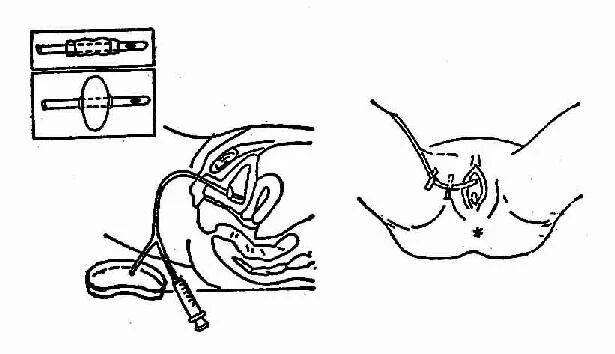
Clean Intermittent Catheterization (CIC): Detailed Step-by-Step Instructions for Girls For children who need to use a catheter to empty their bladder, they can be taught to do it themselves. 5. The Ten Steps for CIC - Girl 5.1 Prepare all the equipment and place them together, keeping them within reach. 5.2 Encourage the child to urinate as much as possible, but not too forcefully. 5.3 Have the child wash his hands with soap and water and dry them, keeping his nails short and clean. 5.4...

Clean Intermittent Catheterization (CIC): Detailed Step-by-Step Instructions for Girls(1)
Clean Intermittent Catheterization (CIC): Detailed Step-by-Step Instructions for Girls For children who need to use a catheter to empty their bladder, they can be taught to do it themselves. 1. Explanation of CIC CIC (Clean Intermittent Catheterization) (Clean Intermittent Urination): This is a technique that helps children empty the urine in their bladders. It needs to be performed several times a day for the child. Clean: Try to clean as thoroughly as possible without any...
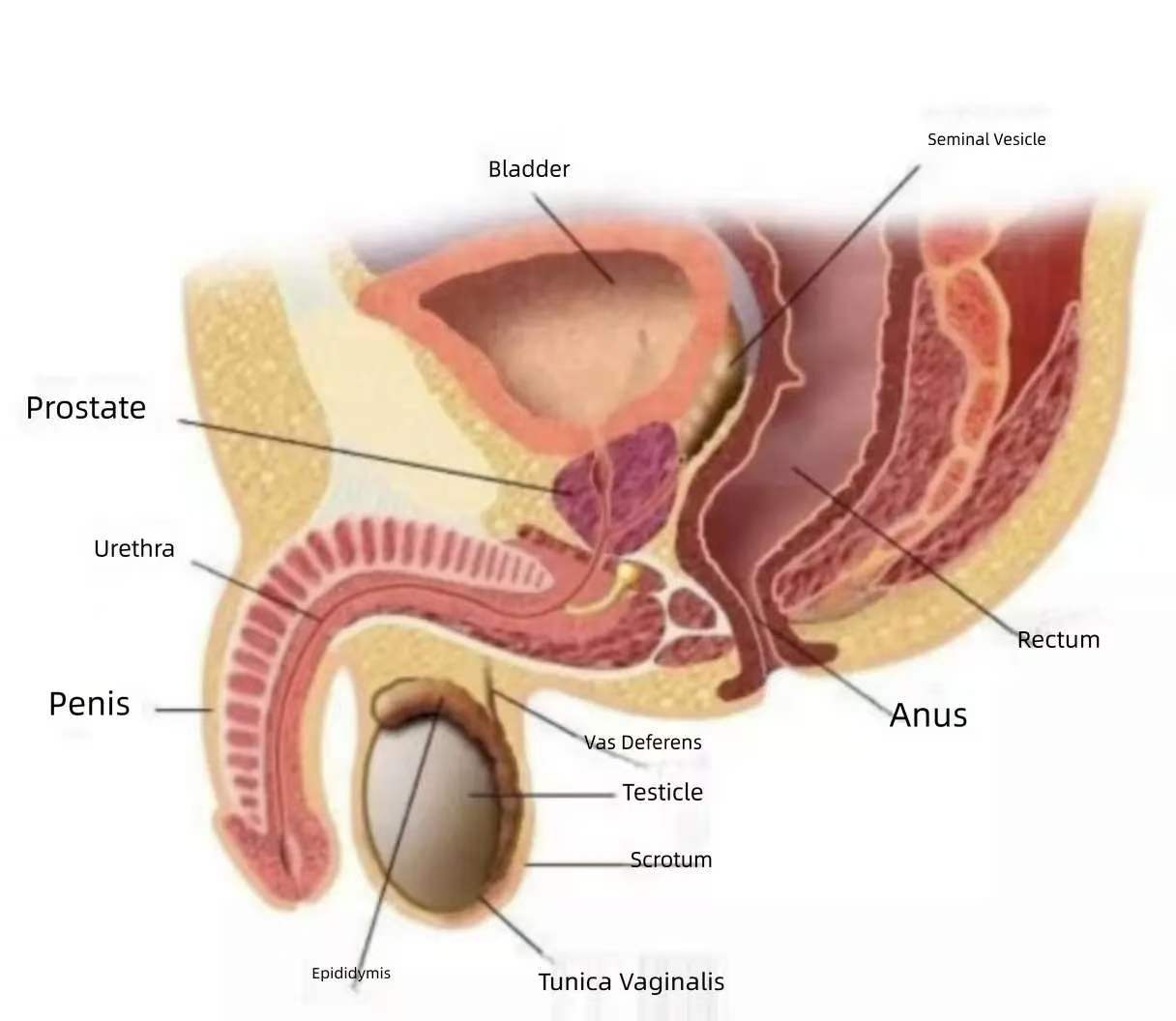
Solutions for the problem of urine not being able to be drained during intermittent catheterization
During intermittent catheterization procedures, there are occasional instances where the bladder is clearly full but the urine cannot be drained through the catheter. Although this situation is not very common, it is a problem that troubles some injured individuals. Today, let's discuss how to handle such situations. 1.Reasons for inability to perform catheterization In general, apart from the situations where the urinary catheter is not properly functioning or not inserted correctly (such...
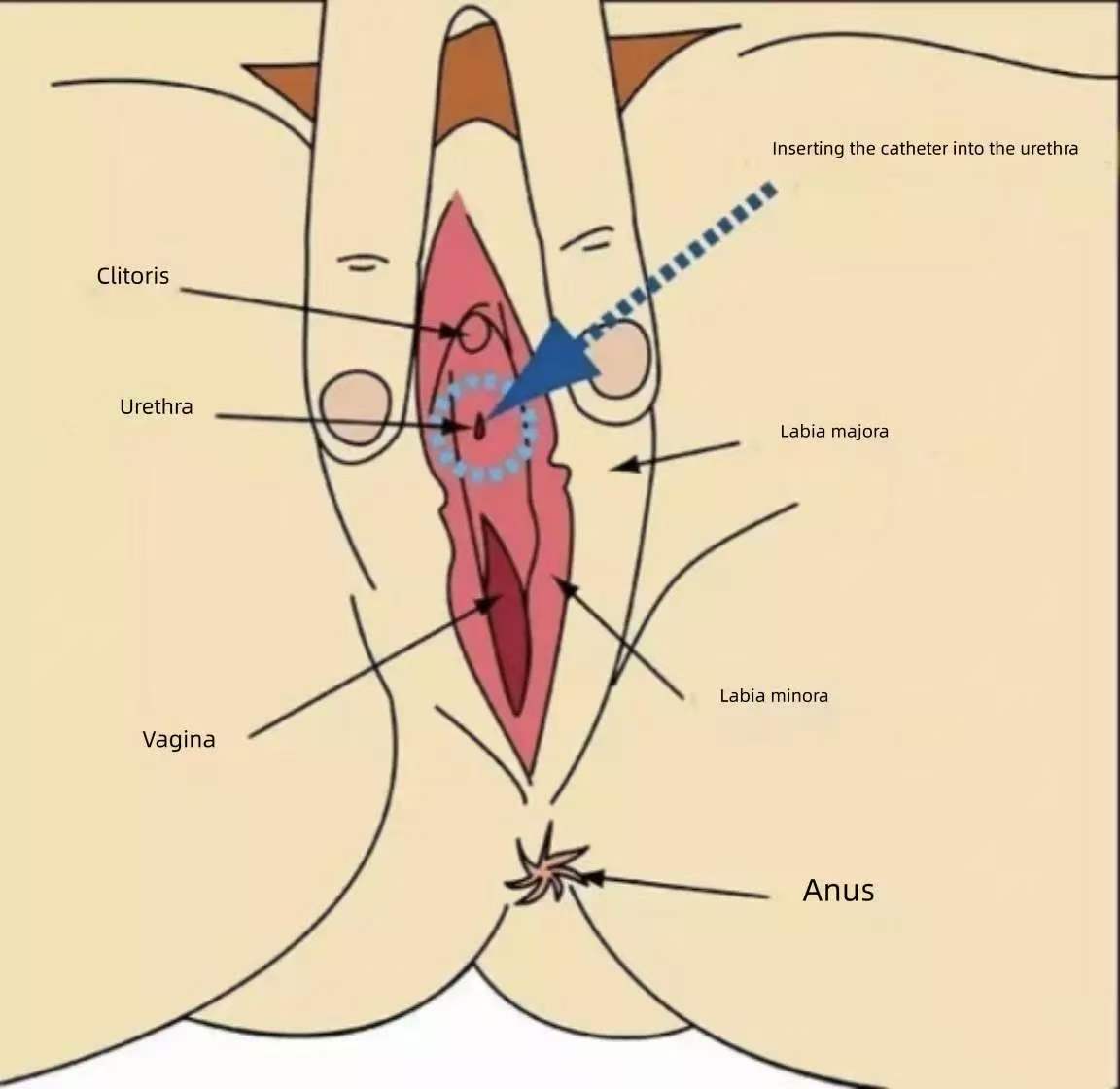
Determining the insertion depth of the urinary catheter during intermittent catheterization
At present, intermittent catheterization has become the preferred management method for neurogenic bladder worldwide and has been widely applied in clinical practice. During the catheterization procedure, the appropriate depth of the catheter insertion into the bladder directly affects the catheterization outcome. If the insertion is too deep, the catheter will coil, fold, or tip upwards in the bladder, preventing complete urine drainage and increasing the risk of bladder mucosa damage; if the...
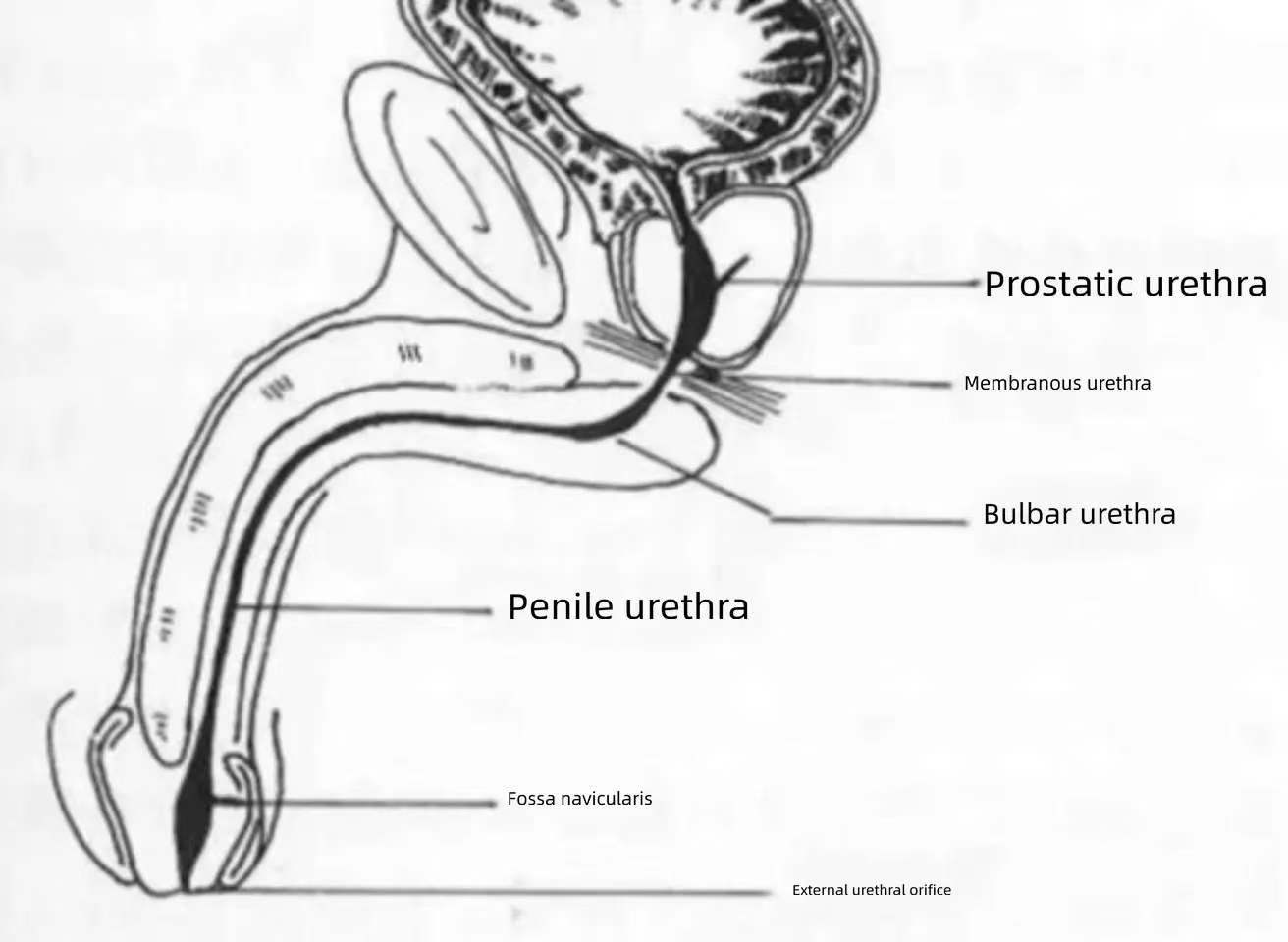
Techniques for Handling Difficult Intermittent Catheterization(3)
Intermittent catheterization is regarded as the "gold standard" for dealing with neurogenic bladder dysfunction. During intermittent catheterization, the catheter is generally inserted smoothly, but occasionally there may be difficulties in insertion. The causes of insertion difficulties and the solutions are as follows 3. Urethral Obstruction Urethral obstruction is the most common cause of difficulty in catheterization, including urethral stricture, urethral calculi, and prostate...
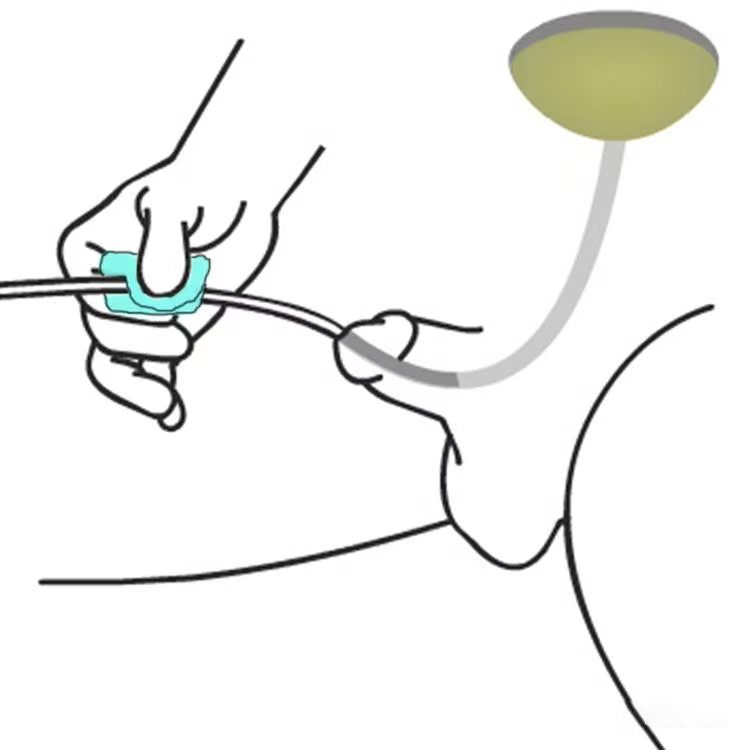
Techniques for Handling Difficult Intermittent Catheterization(2)
Intermittent catheterization is regarded as the "gold standard" for dealing with neurogenic bladder dysfunction. During intermittent catheterization, the catheter is generally inserted smoothly, but occasionally there may be difficulties in insertion. The causes of insertion difficulties and the solutions are as follows 2. Standardize catheterization procedures 2.1 The selection of the catheter should be appropriate, with the right thickness. Either an overly thick or overly thin catheter...

Techniques for Handling Difficult Intermittent Catheterization(1)
Intermittent catheterization is regarded as the "gold standard" for dealing with neurogenic bladder dysfunction. During intermittent catheterization, the catheter is generally inserted smoothly, but occasionally there may be difficulties in insertion. The causes of insertion difficulties and the solutions are as follows The common situations of difficult intubation in clinical practice are as follows: 1. Failure to locate the urethral opening properly, resulting in the inability to insert...
Problems that may occur during intermittent catheterization and corresponding solutions
Problems that may occur during intermittent catheterization and corresponding solutions Intermittent catheterization is the gold standard for emptying the bladder in patients with neurogenic bladder, and it is simple to operate and easy to master. However, during the process of intermittent catheterization, some abnormal situations may occur. The specific ones are as follows. 1. Unable to insert the urinary catheter: 1.1 Do not forcefully insert the catheter. If you are unable to perform...
Prevention and Management of Complications in Urination Procedure (Part 4)
Improper catheterization procedures may lead to some complications. This article describes the causes and clinical manifestations of these complications, and proposes prevention and treatment measures, hoping to be helpful to patients. VI. Formation of pseudo-urethral channels 1. Causes of the incident This condition is more common in patients with spinal cord injuries. It occurs when a urinary catheter is repeatedly and intermittently inserted, damaging the membranous part of the...
Prevention and Management of Complications in Urination Procedure (Part 3)
Improper catheterization procedures may lead to some complications. This article describes the causes and clinical manifestations of these complications, and proposes prevention and treatment measures, hoping to be helpful to patients. IV. Collapse 1. Causes of the incident Excessive urination causes a sudden drop in abdominal pressure, resulting in a large amount of blood remaining in the abdominal blood vessels, leading to a decrease in blood pressure and collapse. 2. Clinical...
Prevention and Management of Complications in Catheterization Procedures (Part 2)
Improper catheterization procedures may lead to some complications. This article describes the causes and clinical manifestations of these complications, and proposes prevention and treatment measures, hoping to be helpful to patients. II. Urinary Tract Infection 1. Causes of the incident 1.1 The doctor's aseptic technique did not meet the requirements, allowing bacteria to retrograde into the urethra and bladder. 1.2 As a invasive procedure, catheterization can often cause damage to the...
Privacy statement: Your privacy is very important to Us. Our company promises not to disclose your personal information to any external company with out your explicit permission.
Fill in more information so that we can get in touch with you faster
Privacy statement: Your privacy is very important to Us. Our company promises not to disclose your personal information to any external company with out your explicit permission.