Home> Industry News> The Origin and Evolution of the Clean Intermittent Catheterization Technique

The Origin and Evolution of the Clean Intermittent Catheterization Technique

2026,06,01
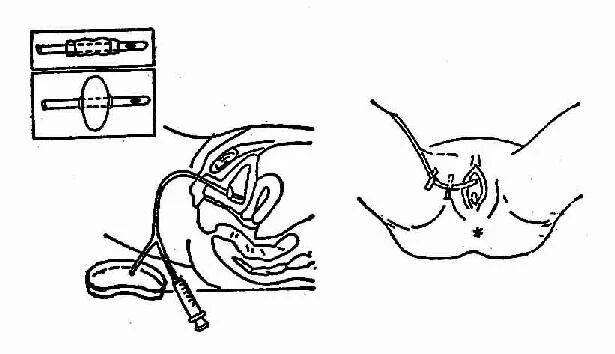
The intermittent catheterization technique for cleaning the bladder has been recognized by the International Continence Society as the preferred method for emptying the bladder and an important treatment for neurogenic bladder. In 1844, the German scholar Strommeyer first proposed the concept of intermittent catheterization (IC), which is a treatment method that involves timed bladder irrigation and the removal of urine from patients with urinary tract infections from their bodies; in 1901, Morton proposed that patients with spinal cord injuries should use sterile Catheters to empty their bladders; in the 1920s, a pressure-molded, air-filled Foley Catheter was introduced, and thus, the long-term indwelling catheterization methods through the urethra or above the pubic bone began to be widely used. 
Intermittent catheter (2)
 
However, long-term indwelling of a urinary catheter through the urethra can lead to many complications, such as urethritis, calculi, obstruction of the catheter causing poor drainage, leakage around the catheter, and erosion of the bladder neck and urethra. It can also increase the risk of squamous cell carcinoma.
Although suprapubic cystostomy is superior to urethral indwelling catheterization in preventing urethral and bladder neck erosion and reducing the risks of epididymitis, orchitis and urethral atresia, suprapubic cystostomy is an invasive procedure, and long-term indwelling of the stoma tube will also cause great inconvenience to the patient's life. 
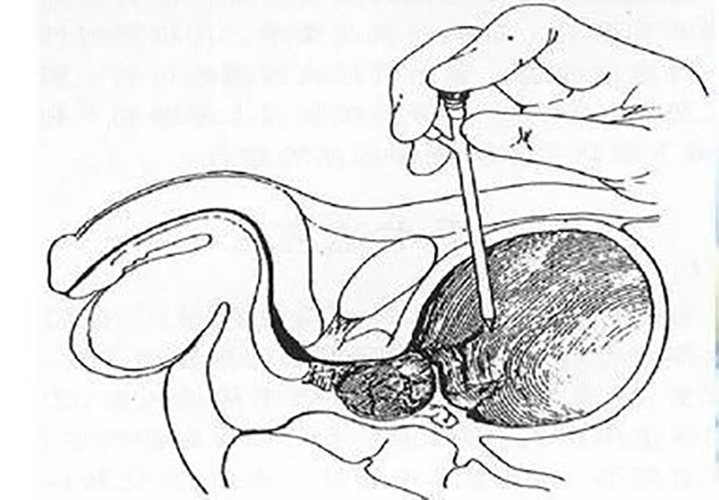
Intermittent catheter (1)
 
In 1935, Munro from Boston used the intermittent bladder irrigation method to restore the normal bladder capacity of a patient with a relaxed detrusor muscle. In 1944, the German-Jewish doctor Ludwig Guttmann established the National Spinal Cord Injury Center in the UK. He soon discovered that continuous indwelling urinary catheters and suprapubic cystostomy did not reduce the occurrence of urinary tract infections (UTI). In 1947, Ludwig Guttmann proposed the concept of sterile intermittent catheterization to avoid introducing bacteria into the bladder during catheterization; in 1966, he published an article explaining the effect of sterile intermittent catheterization in the treatment of 476 patients with neurogenic bladder after spinal cord injury, among whom 409 patients with symptoms such as urinary tract infections, vesicoureteral reflux, hydronephrosis, and urinary calculi showed significant improvement. 
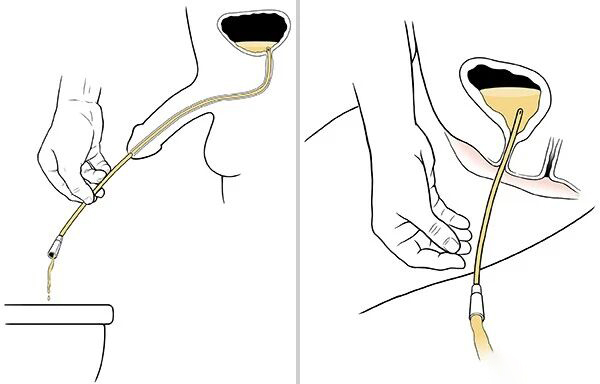
Intermittent catheter (3)
 
Dr. Jack Lapides from the United States discovered that the main cause of urinary system infections is the increased pressure in the bladder of patients with neurogenic bladder and the retention of urine, rather than the bacteria themselves. He believes that Ludwig Guttmann's method, both from a physiological perspective and in terms of operability, is unnecessary and impractical. In the winter of 1970, while treating a female patient with multiple sclerosis, he and the nurse Betty Lowe first applied home cleaning intermittent catheterization. The patient achieved urinary control within a short period of time and no urinary system infections occurred. When this patient traveled to Europe, the catheter accidentally fell on the floor of a public restroom. After a simple cleaning, it was reused without any adverse reactions. Subsequently, Dr. Lapides published several articles to introduce intermittent cleaning catheterization to all urologists worldwide, and proposed the viewpoint that maintaining the frequency of bladder emptying for patients is more important than maintaining the sterility of urine. 
 
Among the modern treatment methods in urology, the clean intermittent catheterization technique is often employed before the treatment of neurogenic bladder. Clean intermittent catheterization can help the bladder store and empty urine regularly, improve bladder function, alleviate symptoms of bladder-ureteral reflux and hydronephrosis and hydronephrosis of the kidneys and ureters, and avoid various complications caused by long-term indwelling catheters. Currently, the proportion of patients with neurogenic bladder who die from kidney-related diseases has significantly decreased, and their quality of life has improved. Clean intermittent catheterization has also been recognized by the International Continence Society as the preferred method for bladder emptying and an important treatment approach for neurogenic bladder.
 
The content of this article is sourced from the internet. The author assumes no responsibility for it. Without permission, copying is strictly prohibited.
Contact Us

Author:

Ms. Aseel Yao

Phone/WhatsApp:

+86 15279557940

Popular Products
You may also like
Related Information
The difference of Latex Surgical Gloves and Latex Examination Gloves

Latex gloves are one of the protective gloves made from latex. Compared to other glove materials, latex gloves are made of softer materials, resistant to aging, environmentally friendly, and durable....

What is a Medical Three Ball Incentive Spirometer used for ?

Three Ball Incentive Spirometer is widely used in hospital and home care . One person use this Three Ball Spirometer, With the help of slow breathing to strengthen respiratory muscles, the patient...

Usage of different Sizes of Disposable Surgical Blade

Yingmed Supply Disposable Surgical Blades with different sizes. For different sizes, usually, how the doctors use ? Here please refer to below description. Whatever Stainless Steel Surgical Blade and...

The Difference of Carbon steel Surgical Blade and Stainless Steel Surgical Blade

According to the material, Yingmed supply two different Disposable Surgical Blade. One is Carbon Stainless steel, the other one is Stainless Steel. What is the difference about these two kinds...

Related Categories

Email to this supplier

Subject:
Email:
Message:

Your message must be between 20-8000 characters

  • Send Inquiry

Copyright © 2026 NINGBO YINGMED MEDICAL INSTRUMENTS CO.,LTD All rights reserved. Privacy Policy

We will contact you immediately

Fill in more information so that we can get in touch with you faster

Privacy statement: Your privacy is very important to Us. Our company promises not to disclose your personal information to any external company with out your explicit permission.

Send